

The article Games as the Dominant Cultural Form of the 21st Century explores how video games have become a central medium in modern digital culture. It examines gaming’s role in media studies, interactive storytelling, online communities, and digital economies, highlighting why scholars increasingly view gaming as one of the most influential cultural forms of the contemporary media landscape.
Over the past two decades, video games have transformed from a niche hobby into one of the most powerful cultural industries in the world. Many scholars now argue that video games as dominant cultural form define a significant part of 21st century digital culture. Unlike traditional entertainment formats such as film, television, or print media, games combine storytelling, technology, participation, and community interaction within a single medium.
Consequently, gaming now influences global entertainment industries, online communities, digital economies, and creative production. The scale of gaming’s reach has prompted researchers to position gaming in media studies as a key area of academic inquiry. Media scholars increasingly examine how games shape communication patterns, cultural identities, and technological innovation.
Furthermore, gaming ecosystems extend beyond gameplay itself. Streaming platforms, esports competitions, virtual economies, and modding communities demonstrate how gaming culture integrates into broader digital life. Therefore, scholars frequently describe interactive media culture as inseparable from gaming practices in the modern era.

The Rise of Gaming in Contemporary Media Culture
The rapid expansion of gaming explains why researchers consider it a central cultural force. Millions of players across the world participate in digital gaming experiences every day through consoles, computers, and mobile devices.
Moreover, gaming has become deeply integrated with online platforms and social media. Streaming services allow audiences to watch live gameplay, interact with creators, and participate in gaming communities. These platforms transform gaming into both a participatory activity and a spectator experience.
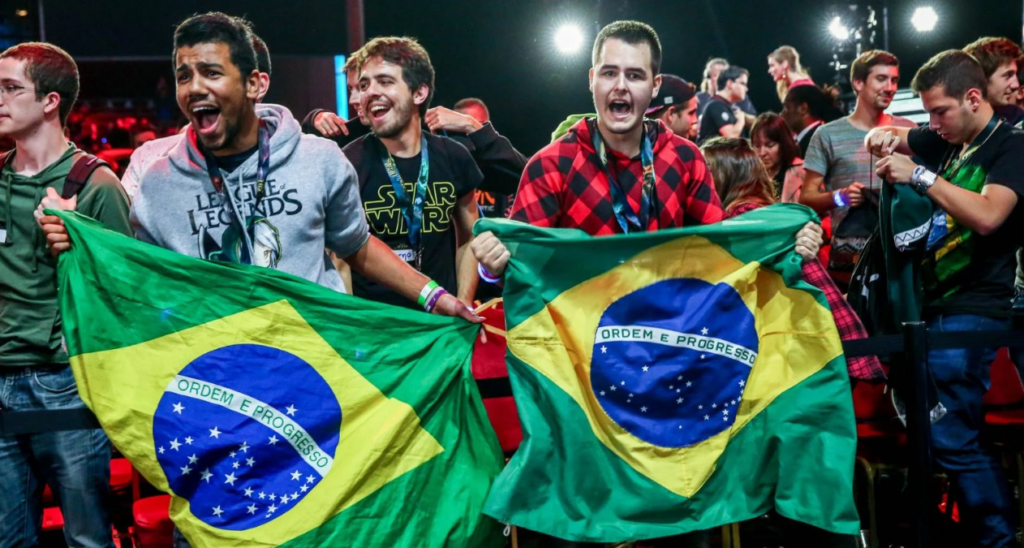
Additionally, esports tournaments attract global audiences comparable to traditional sports broadcasts. Competitive gaming events now fill stadiums and draw millions of viewers online. These developments demonstrate how gaming as dominant cultural media now occupies a central role within global entertainment culture.
What Makes Video Games Different from Traditional Media
Unlike films or television programs, games involve active participation from audiences. Players interact with characters, environments, and narratives rather than simply observing them.
This level of participation creates a form of participatory digital culture where audiences influence the progression of the experience. Player decisions, strategies, and creative input shape how a game unfolds.
Furthermore, games combine multiple media elements simultaneously. A single game often includes:
- Visual art and design
- Cinematic storytelling
- Music and sound design
- Computer programming
- Social interaction between players
Because of this complexity, scholars often describe games as convergent digital media that merge several cultural forms into a single interactive system.
Key Features That Make Gaming a Cultural Powerhouse
Several characteristics explain why gaming has become one of the most influential cultural forms of the century.
Major features that define gaming’s cultural influence include:
- Interactive storytelling that allows players to influence narrative outcomes.
- Global multiplayer networks that connect players across different regions and cultures.
- User-generated content ecosystems where players create new levels, characters, or modifications.
- Streaming and spectator culture that turns gameplay into entertainment for audiences.
- Digital economies built around virtual goods, skins, and in-game currencies.
These features distinguish gaming from older media forms and reinforce the argument that video games shape modern digital culture in unique ways.
Gaming’s Influence on Other Media Industries
Games as the Dominant Cultural Form of the 21st Century have also reshaped the broader entertainment landscape. Film studios increasingly adapt popular games into movies and television series. At the same time, game developers borrow cinematic techniques to enhance narrative depth and visual storytelling.
In addition, gaming culture influences music, fashion, and digital art. Virtual concerts, collaborations between game developers and musicians, and branded in-game cosmetics demonstrate how gaming connects with other creative industries.
These developments illustrate how gaming and media convergence define the modern entertainment ecosystem. Instead of existing separately, media industries increasingly intersect through gaming platforms and audiences.
Gaming Communities and Digital Identity
Another important aspect of gaming culture involves community building. Online games provide spaces where players collaborate, compete, and socialize.
Players often form teams, guilds, or clans that develop strong social bonds. These communities allow players to share strategies, celebrate achievements, and participate in shared experiences.
Gaming communities also influence internet culture through memes, slang, and cultural references. Over time, these shared cultural elements spread beyond gaming communities into broader online spaces.
Because of this, many scholars view gaming as a form of digital social infrastructure that supports communication and identity formation.
Cultural Contributions of Gaming
Gaming’s cultural impact extends far beyond entertainment. It influences education, digital creativity, and economic activity.
Important cultural contributions of gaming include:
- Cross-cultural interaction where players from different countries collaborate and compete.
- Creative participation through modding communities that expand existing games.
- New storytelling formats that allow multiple narrative outcomes.
- Digital marketplaces where players trade or purchase virtual items.
- Educational and simulation uses that support learning and training.
Because of these contributions, researchers often examine gaming within broader discussions of digital media culture and communication studies.
Gaming’s Growing Role in Media Studies
Within academic research, gaming has become a major subject of analysis. Scholars investigate gaming through perspectives such as cultural studies, communication theory, sociology, and technology studies.
The academic field of game studies specifically examines how interactive media shapes culture, identity, and communication. Researchers analyze topics such as player communities, game narratives, digital economies, and technological innovation.
Within discussions of communication research frameworks, CMPR scholarship often highlights the growing significance of gaming within modern media ecosystems. Scholars working within CMPR approaches emphasize that gaming demonstrates how digital platforms transform audience participation and cultural production.
Critiques and Challenges of Gaming’s Cultural Dominance
Despite its cultural influence, gaming also raises concerns among researchers and policymakers. Some critics argue that excessive gaming may lead to behavioral or social challenges. Issues such as online harassment, data privacy, and aggressive monetization practices have sparked debates about responsible game design. Furthermore, discussions about gaming addiction have drawn attention to the need for balanced engagement with digital entertainment.
However, these debates also illustrate how deeply gaming has become embedded within modern society.
The Future of Gaming as Cultural Media
Looking forward, gaming will likely expand its cultural influence as new technologies reshape digital interaction. Developments such as virtual reality, augmented reality, cloud gaming, and artificial intelligence will create even more immersive experiences.
These technologies may transform games into fully interactive environments where players socialize, work, and create content. As a result, the boundaries between gaming, social media, and digital communication will continue to blur.
In academic discussions referenced in CMPR research, scholars increasingly argue that gaming should be studied as one of the most important cultural media of the digital era.
The Future of Games in Media
Video games have evolved into one of the most influential cultural forces of the 21st century. By combining storytelling, technology, social interaction, and digital economies, gaming creates a unique form of interactive media that shapes modern digital culture.
Because of its scale and influence, many scholars now describe video games as dominant cultural form within contemporary media systems. As gaming technologies continue to evolve, their cultural significance will likely grow even further.
Understanding gaming’s role in society therefore remains essential for researchers, policymakers, and creators studying the future Games as the Dominant Cultural Form of the 21st Century.
Author: Bilvraj Mangutkar
- Narrative Analysis in Research: How to Turn Stories Into Solid Findings
- How to Do Thematic Analysis in Research: A Simple 6 Step Guide
- What Scopus Actually Measures (And How Those Numbers Are Calculated)
- What Networks Don’t Tell TV Advertisers

- From Genre to System: Why Traditional Game Genres Are Breaking Down